


Boosting Effective and Sustainable Transformation for Energy
General Framework of the Project
The implementation process of the BEST For Energy (Boosting Effective and Sustainable Transformation for Energy) Project — funded by the European Union and the Republic of Türkiye under the Competitive Sectors Programme of the Ministry of Industry and Technology, and carried out by the Izmir Development Agency (İZKA) in partnership with the Association of Energy Industrialists and Business People (ENSİA) — started on 21 June 2020.
The project, which lasted 36 months and was completed as of June 2023, aimed to develop a highly competitive cluster in İzmir and its surroundings in the field of clean energy and clean technologies, covering both equipment and technology manufacturing and the service sector. Within the scope of the project, analysis, ecosystem development, promotion and internationalisation activities focusing on the wind, solar, geothermal, biomass and green hydrogen sub-sectors were carried out.
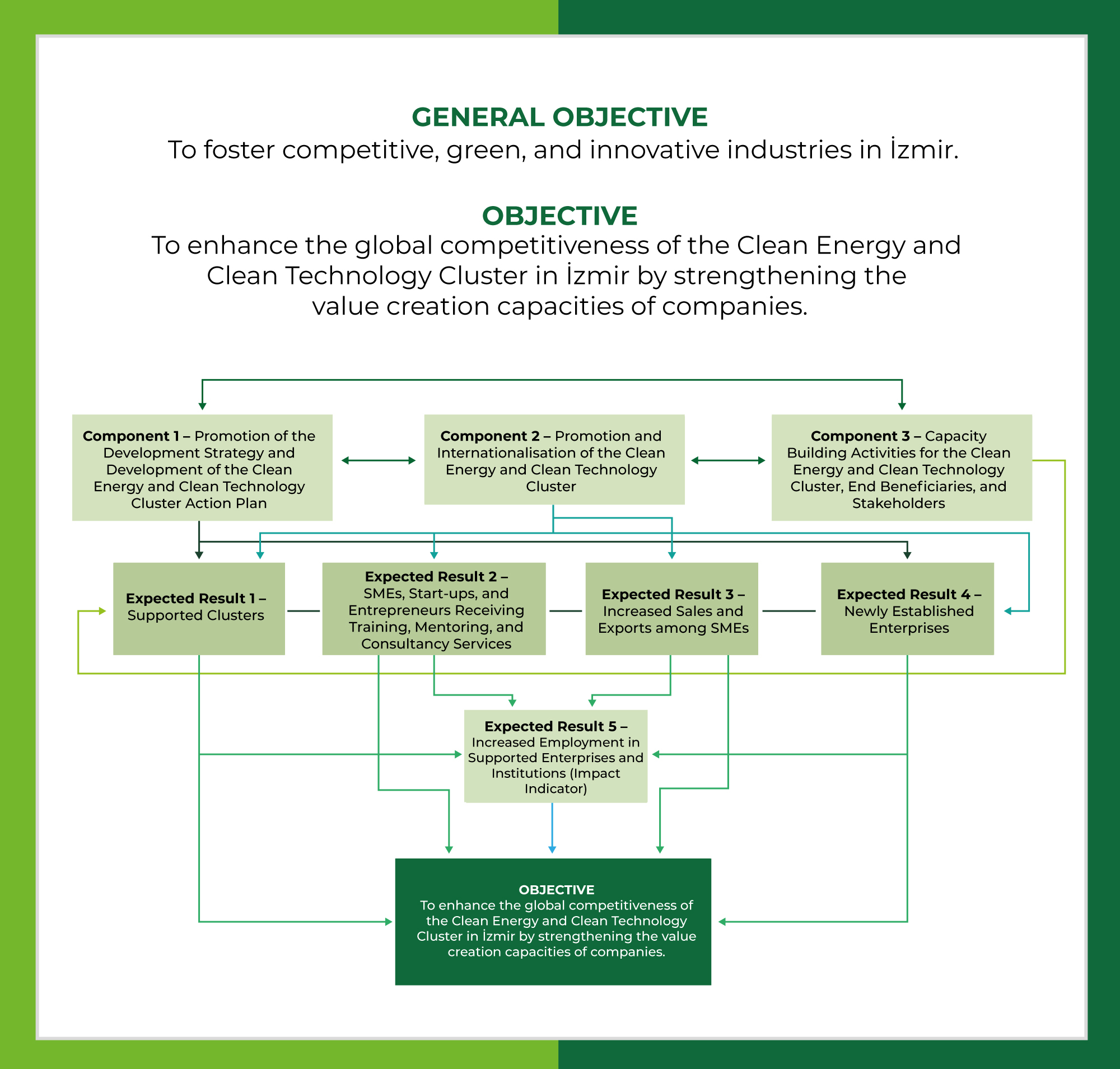
Project Objective
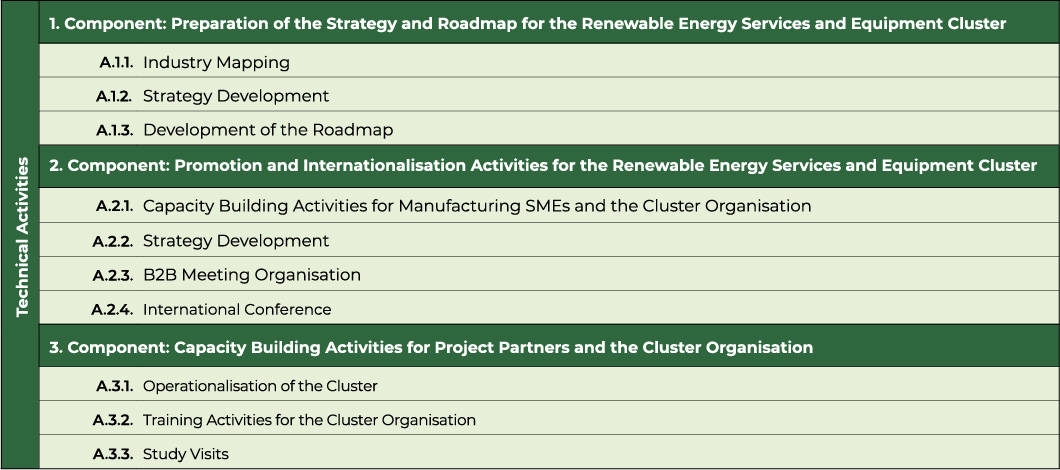
Main Project Activities

Activities for Companies
We carry out analysis, capacity building and internationalisation activities to support the sustainable growth of companies.
Read moreHide▾
1.1. Analyses and Strategies Carried Out within the Scope of the Project
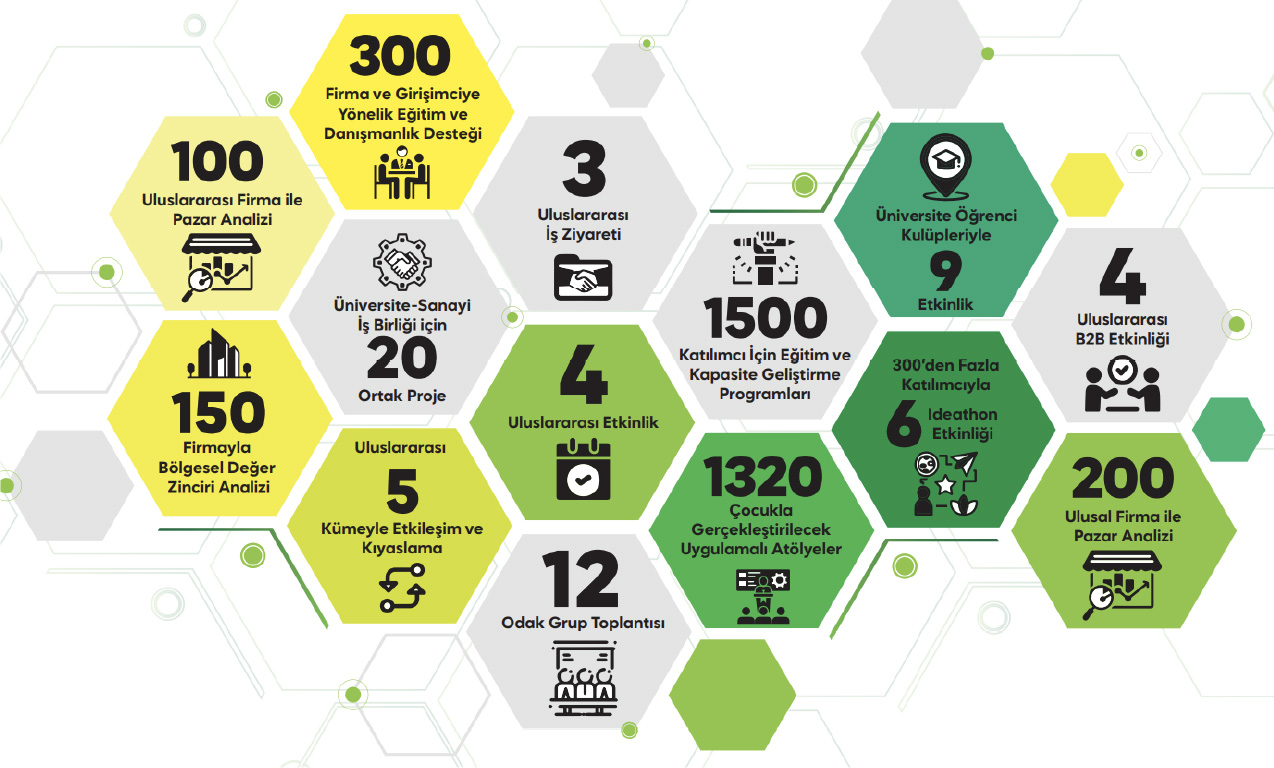
The analytical studies conducted within the scope of the project include the Regional Value Chain and Clustering Analysis focusing on solar, wind, biomass and geothermal energy, together with the Value Chain Benchmarking Study in which this structure was compared with 5 international clusters. In addition, a Regional Competence Analysis examining the region’s areas of development at the scale of different countries and a Competitiveness Analysis identifying the training and consultancy needs of companies were carried out. A National and International Demand Analysis was completed with the participation of more than 300 organisations in order to determine sectoral trends; as a result of the focus group studies and face-to-face interviews conducted throughout all these processes, a comprehensive database of approximately 5,000 stakeholders was created.
You can access the BEST For Energy Project Synthesis Report, which compiles the analysis and strategy studies prepared within the scope of the project, via this link.
1.2. Capacity Building Activities
Within the scope of the project, training was delivered to more than one thousand five hundred people on more than twenty themes in order to increase the competitiveness of ecosystem stakeholders, and consultancy services for selected companies were completed. In order to develop the capacity of the cluster, new projects strengthening the project management and fund utilisation skills of ENSİA and other sectoral associations were designed, and efforts continued to raise the institutional structure of ENSİA — which qualified for the “Bronze Label” awarded by the European Secretariat for Cluster Analysis (ESCA) — to the silver level.
1.3. Promotion, Internationalisation and Ecosystem Development Activities
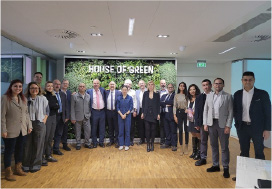
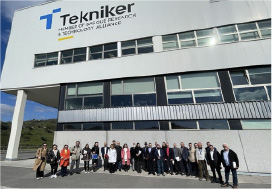
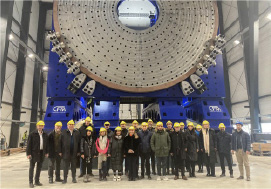
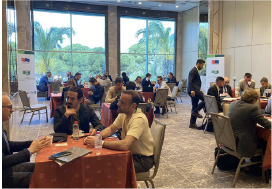
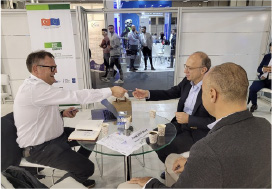
Within the scope of the project, technical study visits and focus group meetings were organised in order to promote the clean energy sector internationally, to develop its capacity and to integrate stakeholders into global networks. Through B2B events held at various energy fairs and conferences, the exports and global market integration of companies were supported.

Activities for Young People
We bring young people together with the clean energy ecosystem, supporting the development of innovative ideas and career opportunities.
Read moreHide▾
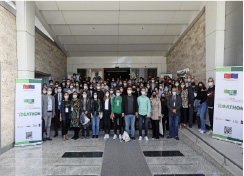
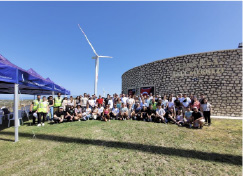
Within the scope of the project, ideathons addressing different clean energy sub-sectors were organised in order to encourage the production and use of clean energy and clean technologies, creating open innovation and synergy environments for academia, the private sector and entrepreneurs. In addition, seminars and technical trips were held to raise the awareness of university students on clean energy and green jobs and to strengthen their communication with ecosystem stakeholders.

Activities for Children
We introduce children to clean energy through hands-on workshops and innovative educational materials.
Read moreHide▾
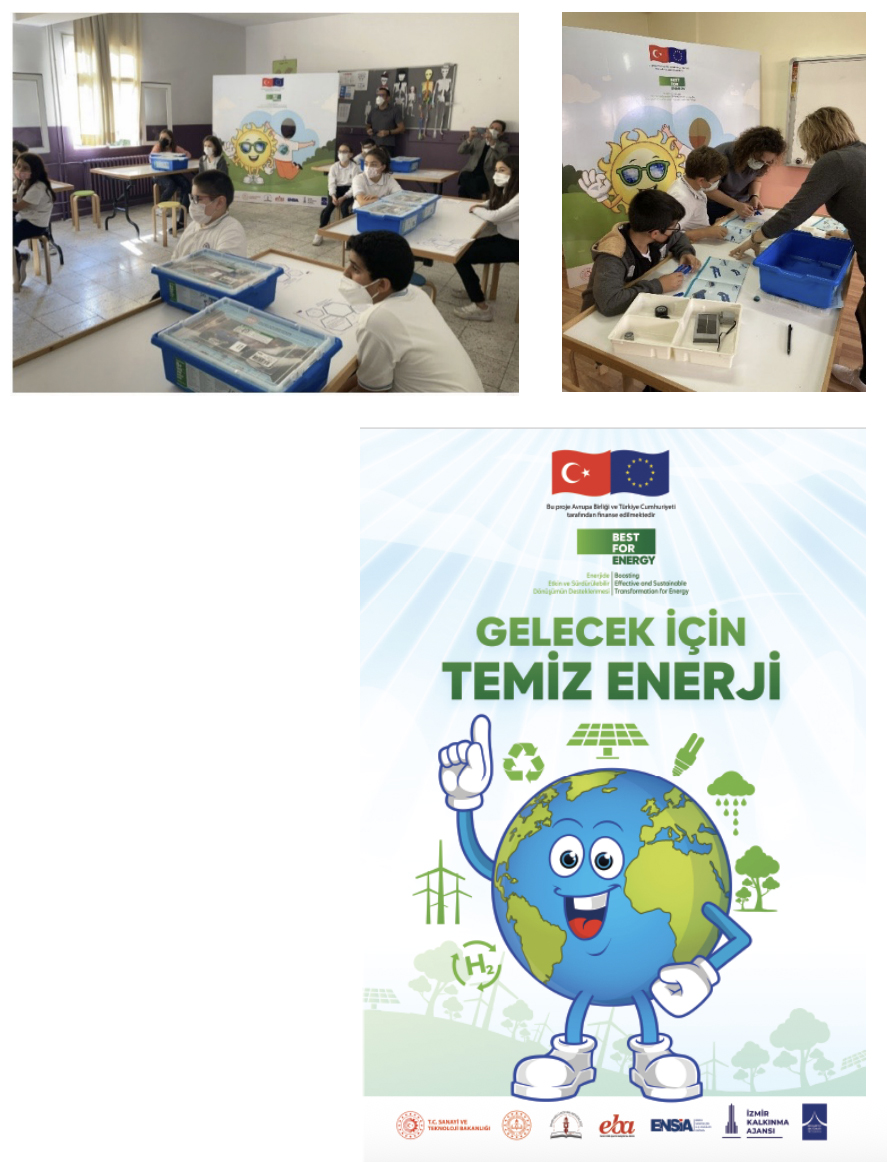
Within the scope of the project, more than thirty technical clean energy workshops for children were organised in cooperation with the EBA team of the İzmir Provincial Directorate of National Education in order to develop environmental awareness at an early age. Children were enabled to learn the working principles of solar and wind energy through hands-on kits, animations and a specially prepared clean energy magazine; this magazine was included in the EBA system of the Ministry of National Education and made accessible nationwide. In order to ensure the sustainability of the activities, more than seventy teachers successfully completed the training of trainers programme that was carried out.
Project Outputs